As homeschooling continues its remarkable growth across the U.S., reaching millions of families by 2026, Texas stands out as one of the most parent-friendly states for this educational choice. The recent passage of House Bill 2674 (the Homeschool Freedom Act of 2025) has solidified Texas's position by explicitly prohibiting state agencies, like the Texas Education Agency (TEA), from imposing new regulations on homeschool programs. This legislation reinforces long-standing freedoms, making Texas a beacon for parents seeking autonomy in their children's education. For families on the sidelines—debating whether to pull their kids from public schools—Texas offers minimal oversight, robust support networks, and financial advantages that make the transition appealing.
Texas Homeschool Laws: Minimal Requirements, Maximum Freedom
Texas has long been celebrated for its lenient approach to homeschooling, requiring only the basics to ensure genuine education without burdensome bureaucracy. Parents must provide:
- Bona fide (genuine) instruction.
- A curriculum in visual form (e.g., textbooks, workbooks, or online materials).
- Coverage of five core subjects: reading, spelling and grammar, mathematics, and a study of good citizenship.
There are no mandatory standardized tests, no annual assessments, no portfolio submissions, and no required notification to the state or local districts (though withdrawing from public school involves a simple letter). HB 2674, effective since 2025, goes further by legally barring any future regulatory expansions, protecting families from potential overreach.
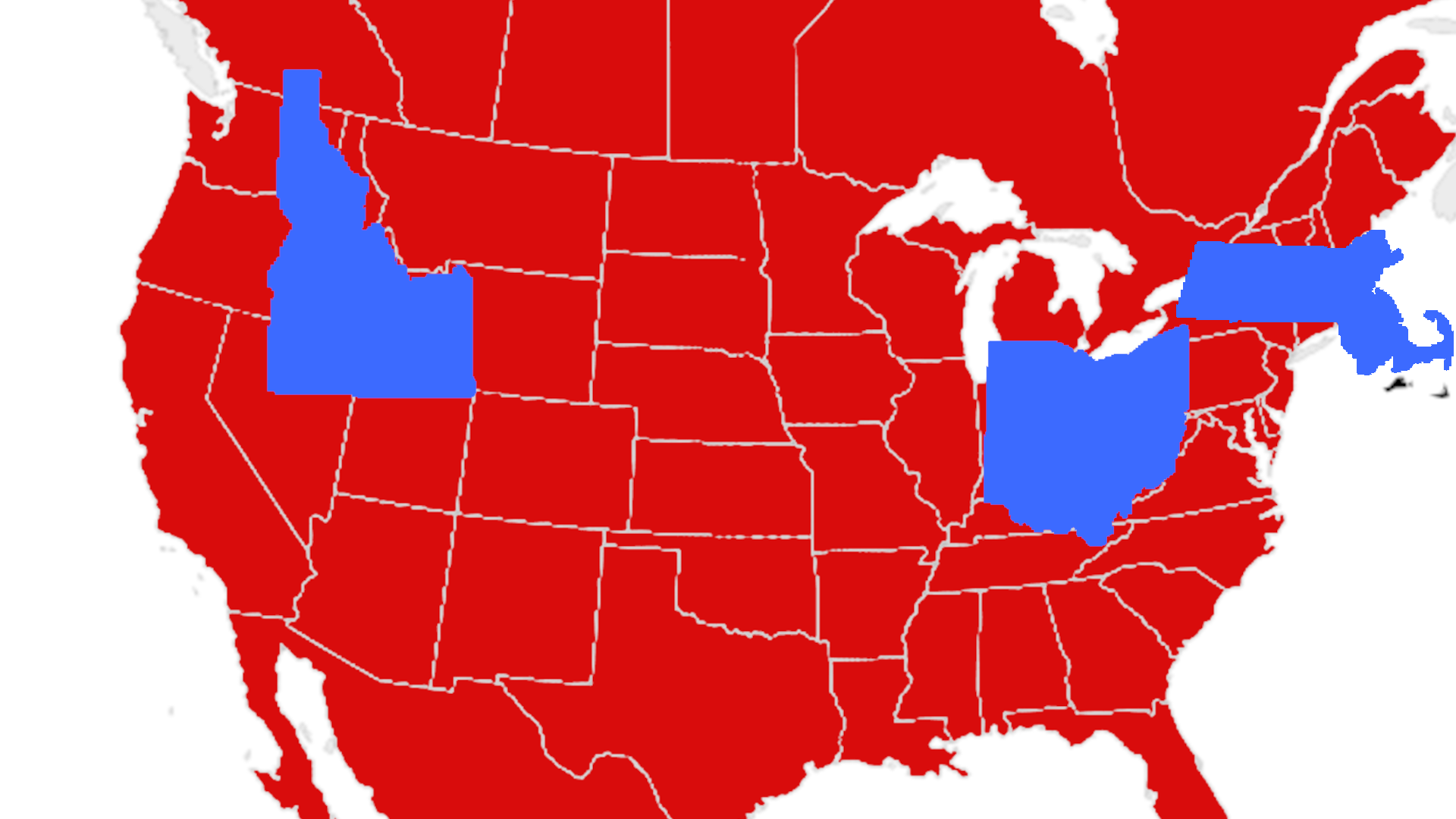
This low-regulation environment places Texas among the most homeschool-friendly states, often ranking in the top tier alongside Alaska, Oklahoma, and Idaho. In contrast to high-regulation states like New York or Pennsylvania (which demand quarterly reports, testing, and evaluations), Texas empowers parents to tailor education without government intrusion.
Upcoming Boost: Education Freedom Accounts Starting 2026
Adding to Texas's appeal, the state launched a major school choice expansion in 2025 with the Texas Education Freedom Accounts (TEFAs) program, set to provide funds starting in the 2026-2027 school year. Eligible families can receive approximately $10,000 per student (or more for special needs) for approved expenses like private school tuition, tutoring, curricula, and homeschool resources. Homeschoolers are included, though some proposals suggest adjusted amounts to preserve independence. Importantly, participation doesn't alter homeschool freedoms—no added testing or oversight required.
This funding could ease financial barriers for new homeschoolers, covering materials, online courses, or co-op fees.
Broader Benefits: Why Texas Attracts Homeschool Families
Beyond laws, Texas offers practical and lifestyle advantages that make it a top destination for homeschooling parents considering a move:
-
No State Income Tax — Texas is one of few states without personal income tax, leaving families with more disposable income for educational resources, field trips, or extracurriculars. This financial edge is especially valuable for single-income homeschool households.
-
Thriving Homeschool Communities — With a large and growing homeschool population, Texas boasts extensive support networks. Organizations like the Texas Home School Coalition (THSC) provide legal advocacy, conventions, and resources. Local co-ops, sports leagues, and social groups abound in areas like Dallas-Fort Worth, Houston, and Austin, fostering friendships and shared activities.
-
Family-Friendly Environment — Texas's strong economy, affordable housing in many regions, and conservative cultural alignment resonate with many homeschool families prioritizing values-based education. Flexible scheduling allows exploration of the state's rich history, museums, and outdoor spaces.
-
Personalized and Flexible Learning — Parents cite the ability to customize education—addressing learning differences, pursuing passions, or avoiding public school concerns—as key reasons for choosing Texas.
A Top Choice for Families Ready to Leap
For parents hesitant about withdrawing children from public schools—due to concerns over curriculum, safety, or one-size-fits-all approaches—Texas provides an ideal landing spot. With ironclad protections from HB 2674, upcoming funding options, financial perks like no income tax, and vibrant communities, the Lone Star State minimizes risks while maximizing opportunities. As one advocate notes, Texas's freedoms have drawn families from stricter states for years. If you're on the fence, 2026 could be the perfect time to make Texas your homeschool home.